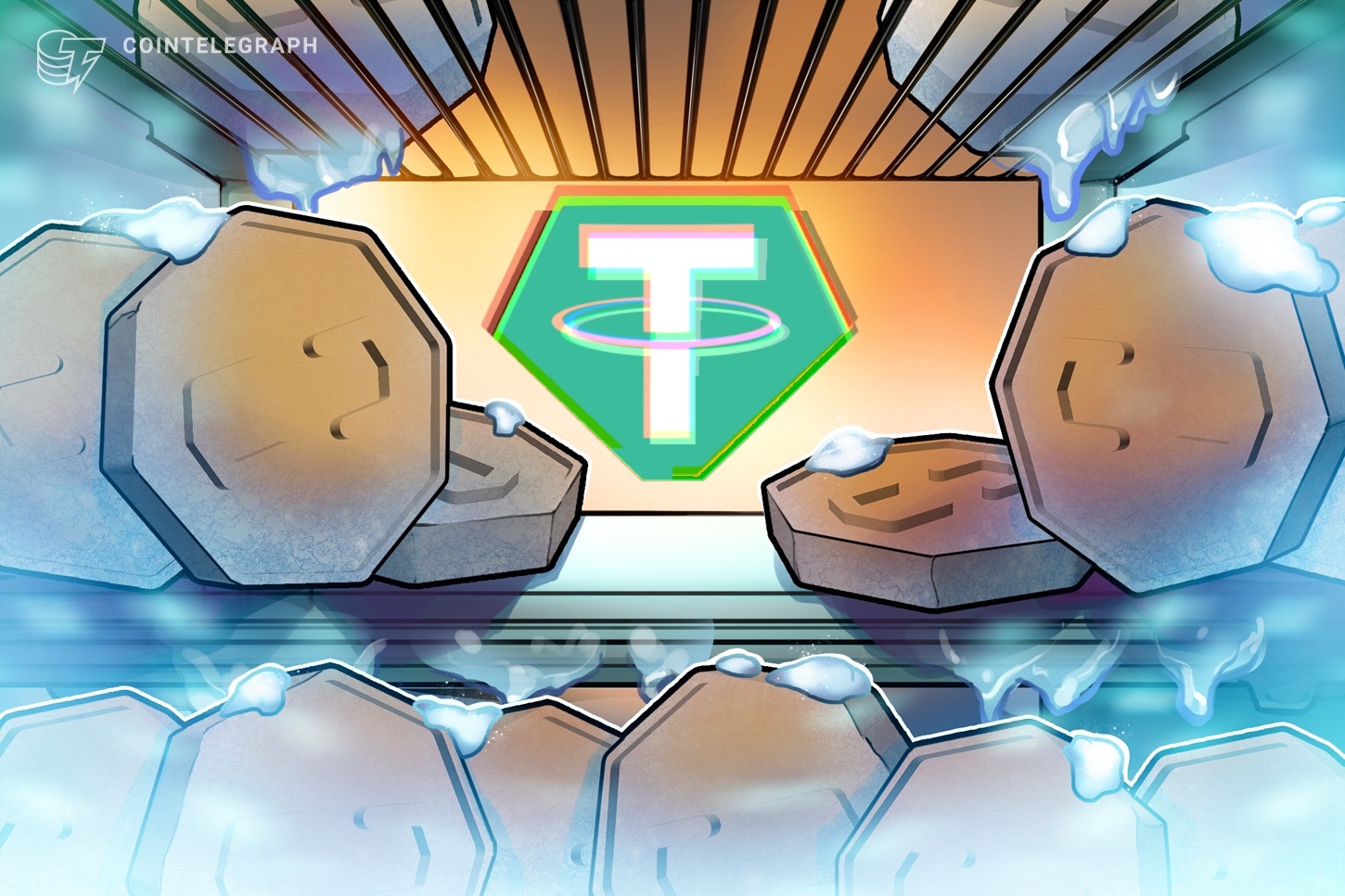

Tether has frozen more than $514 million in USDT across Ethereum and Tron over the past 30 days, according to onchain data from BlockSec’s USDT Freeze Tracker, highlighting the stablecoin issuer’s growing role in crypto-related enforcement actions.
As of Friday, the tool shows 370 addresses blacklisted in that period, including 328 on Tron and 42 on Ethereum, with about $505.9 million frozen on Tron and $8.73 million on Ethereum.
The figures indicate that most recent enforcement activity is concentrated on Tron and highlight how often the world’s largest stablecoin issuer is intervening onchain to immobilize funds flagged as high-risk or linked to investigations.
The recent activity also builds on a pattern of increasingly frequent enforcement. BlockSec’s analysis of 2025 data found that Tether blacklisted 4,163 unique addresses across Ethereum and Tron, freezing a total of $1.26 billion in USDT. The current pace of freezes suggests Tether could exceed that total in blacklisted USDT well before the end of the year.

Of the $1.26 billion of frozen assets in 2025, more than half (about $698 million) was later destroyed via the contracts’ “destroyBlackFunds” function, and only 3.6% of those addresses were subsequently removed from the blacklist, indicating that once imposed, freezes are rarely reversed.
Tether blacklisting activity accelerates in 2026
A separate study of 2023-2025 trends estimated that Tether immobilized roughly $3.3 billion across 7,268 addresses in those three years, far outpacing rival stablecoin issuer Circle over the same horizon.
USDT Freeze Tracker. Source: BlockSec
Tether has also disclosed larger aggregate totals and detailed some of the cases behind them. In February, the company said it had frozen about $4.2 billion in tokens in three years over links to illicit activity, with some $3.5 billion of that amount locked since 2023 as authorities increased efforts to curb crypto-related crime.
In April, Tether said it worked with the US Treasury’s Office of Foreign Assets Control and law enforcement agencies to freeze more than $344 million in USDT across two Tron addresses that US officials said were linked to suspected sanctions evasion involving Iran, while in February, Tether helped authorities to seize over $61 million in USDT linked to so-called pig butchering scams.
Related: Tether reports $1.04B profit in Q1 as Treasury holdings reach $141B
Stablecoin blacklists fuel wider freeze debate
The growing scale of blacklisting and related seizures has fed into a broader debate over how far crypto issuers and protocols should go in stopping suspect flows.
Some projects in decentralized finance, for example, have used upgradeable contracts and admin controls to halt or recover funds in major exploit cases, raising questions about who decides when such powers are used.
In stablecoins, where issuers such as Tether retain direct control over minting and burning mechanisms, onchain data and enforcement disclosures show that blacklisting and freezes are now used regularly in fraud, sanctions and scam investigations.
Tether and the Tron network did not immediately respond to Cointelegraph’s requests for comment.
Market Moves: Why is Ethereum Foundation selling? BTC futures warning signs
